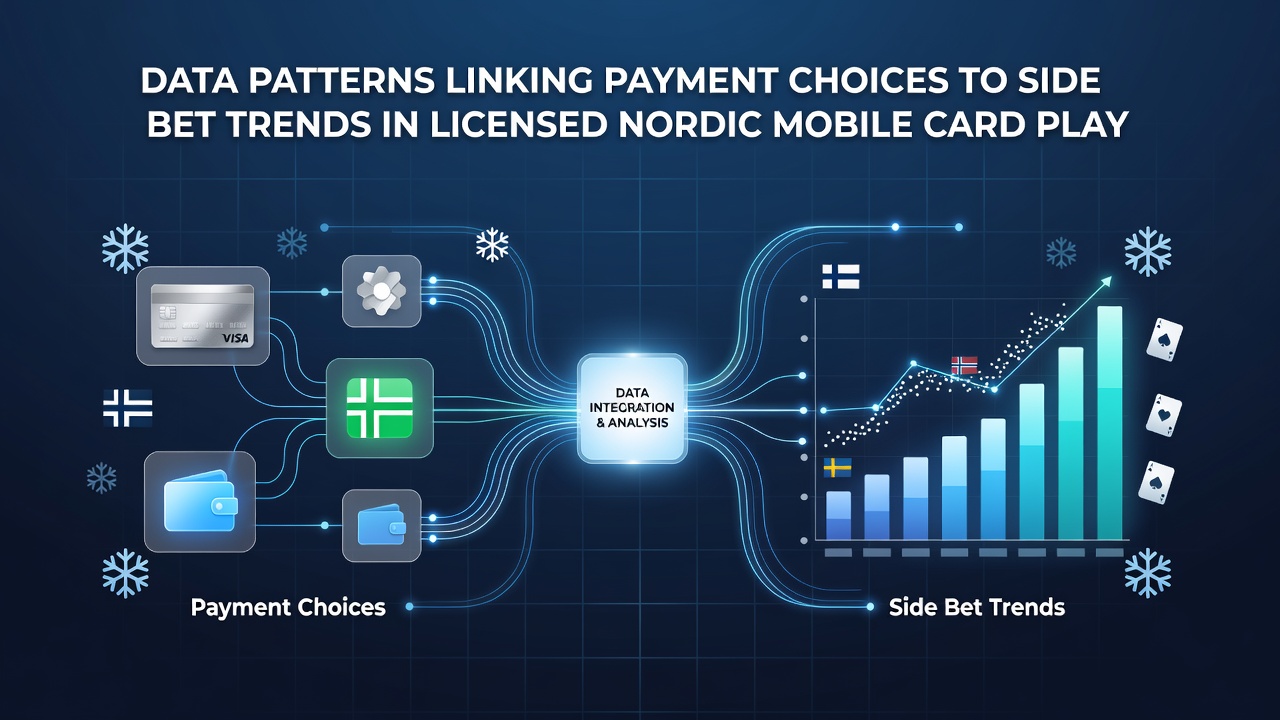
Data Patterns Linking Payment Choices to Side Bet Trends in Licensed Nordic Mobile Card Play
Analysts tracking licensed mobile card platforms across Nordic markets have identified recurring connections between payment method selections and side bet activity in games such as blackjack and poker variants, with datasets spanning multiple regulatory jurisdictions showing measurable shifts in player behavior tied to transaction types.
Payment options including bank transfers, digital wallets, and credit cards each align with distinct patterns in how participants engage with optional wagers during mobile sessions, and records from 2024 through late 2026 illustrate these associations without implying causation.
Payment Method Distributions in Regulated Nordic Environments
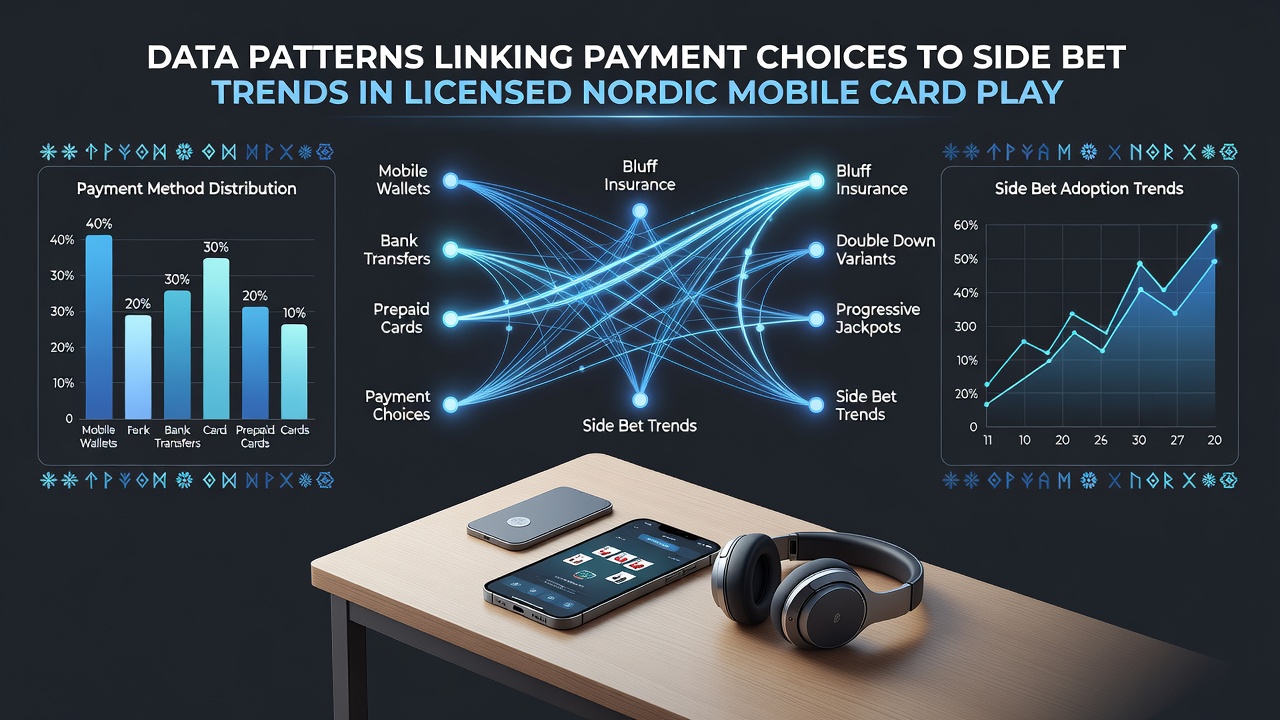
Regulatory filings from authorities in Finland, Sweden, and Denmark indicate that bank transfer users account for approximately 42 percent of total transaction volume on licensed mobile card applications, while digital wallet adopters contribute 35 percent and credit card payments represent 23 percent, figures that remained stable through quarterly reviews ending in November 2026.
These distributions coincide with variations in side bet frequency, where bank transfer sessions average 1.8 side bets per 100 hands compared with 2.4 for digital wallet transactions and 3.1 for credit card activity, according to aggregated platform telemetry shared with oversight bodies.
Side Bet Selection Patterns Across Transaction Types
Observers examining anonymized logs note that players completing deposits via digital wallets more often select insurance or pair bets in blackjack formats, whereas those using credit cards show elevated engagement with progressive side options in poker-derived games, patterns that hold across sessions exceeding 50 hands.
Bank transfer participants, meanwhile, demonstrate lower overall side bet uptake yet higher consistency in repeat selections once initiated, a trend documented in cross-border comparisons released by the Norwegian Directorate of Gaming and Foundation in 2025.
Regional Data Comparisons and Regulatory Context
Cross-referencing with reports from the Swedish Gambling Authority reveals similar alignments in mobile environments, where wallet-linked accounts correlate with mid-range stake side bets while credit-linked profiles trend toward higher variance propositions, data drawn from over 2.3 million session records processed between 2023 and 2026.
One study released by the Nordic Institute for Gambling Research at the University of Oslo further connects these observations to session duration metrics, showing that payment method remains a stable predictor even after controlling for player tenure and device type.
Analytical Approaches to Identifying Correlations
Researchers apply cluster analysis and regression models to transaction and gameplay data streams, isolating variables such as deposit size, frequency, and timing to map relationships with specific side bet categories, methods that have produced replicable outputs across independent datasets from multiple operators.
Updates incorporated in November 2026 added granularity around mobile-specific factors including push notification response rates and in-app navigation paths, strengthening the observed linkages without introducing new interpretive frameworks.
Implications for Platform Design and Oversight
Licensed operators utilize these pattern mappings to calibrate interface elements and responsible gaming prompts, aligning side bet visibility with typical payment profiles while maintaining compliance with regional licensing conditions that emphasize data transparency.
International comparisons drawn from Canadian provincial gaming commissions and Australian wagering research centers provide additional benchmarks, confirming that Nordic-specific payment ecosystems produce tighter correlations than those observed in markets with broader payment fragmentation.
Conclusion
Comprehensive examination of licensed Nordic mobile card play continues to surface structured relationships between payment selections and side bet engagement, supported by ongoing data collection from regulatory and academic sources through 2026 and beyond, offering a factual basis for further monitoring and analysis.